
What is EMDR Therapy?
If you’ve ever felt stuck in memories, anxiety, or emotional reactions that don’t seem to match the present moment, you’re not alone. Many people carry past experiences in ways that continue to affect how they feel, think, and respond to the world. One therapy approach that helps people work through these experiences is called EMDR.
EMDR stands for Eye Movement Desensitization and Reprocessing. While the name sounds technical, the idea behind it is actually simple: it helps your brain process and heal from difficult experiences.
How Does EMDR Work?
Think of your brain like a filing system. Most of the time, when something happens, your brain processes it, learns from it, and stores it away in a way that makes sense.
But sometimes—especially during overwhelming or stressful experiences—your brain doesn’t fully process what happened. The memory can get “stuck,” along with the emotions, body sensations, and beliefs that came with it.
That’s why something small in the present (a sound, a situation, or even a feeling) can suddenly bring up a strong reaction that feels bigger than it should.
EMDR helps “unstick” those memories.
During EMDR, you’ll briefly focus on a difficult memory while also engaging in a form of bilateral stimulation—usually guided eye movements, tapping, or alternating sounds. This back-and-forth stimulation helps your brain reprocess the memory so it can be stored in a more adaptive, less distressing way.
Over time, the memory doesn’t disappear—but it loses its emotional intensity. People often find that they can think about the experience without feeling overwhelmed by it.
What’s the Science Behind It?
Research shows that EMDR helps the brain process information in a way that is similar to what happens during REM sleep—the stage of sleep where we dream and process experiences.
Bilateral stimulation (like moving your eyes back and forth) appears to help both sides of the brain communicate more effectively. This allows the brain to take a “stuck” memory and integrate it into a more complete and balanced understanding.
Studies have shown that EMDR can:
Reduce symptoms of trauma and PTSD
Decrease anxiety and distress
Improve emotional regulation
Help shift negative beliefs (like “I’m not safe” or “I’m not good enough”) into more helpful ones
It’s recognized by organizations like the American Psychological Association and the World Health Organization as an effective treatment for trauma.
What Does EMDR Feel Like?
One of the most common questions people have is: “What will this feel like?”
Everyone’s experience is a little different, but many people describe EMDR as:
Less overwhelming than talking through every detail of a painful experience
More focused on what your brain naturally does to heal
A process where insights and shifts happen in a way that can feel surprising or relieving
You are always in control during EMDR. Your therapist will guide you at a pace that feels safe and manageable.
Why I Offer EMDR
EMDR is not just something I’m trained in—it’s something I believe in.
I’ve experienced EMDR therapy myself and have personally felt the benefits. I know what it’s like to walk into a session carrying something heavy and to walk out feeling like it has shifted in a real and meaningful way.
That experience is a big part of why I chose to become trained in EMDR. I wanted to be able to offer this same tool to others—especially to those who feel stuck, overwhelmed, or unsure how to move forward.
As a therapist, my goal is to create a space where you feel safe, supported, and understood. EMDR is one of the ways I help clients process what they’ve been carrying so they can move toward feeling more grounded, more confident, and more at peace.
Is EMDR Right for You?
EMDR can be helpful for a wide range of concerns, including:
Trauma or difficult past experiences
Anxiety
Panic or phobias
Negative self-beliefs
Stress that feels hard to shake
If you’re curious about EMDR or wondering if it might be a good fit for you, I’d be happy to talk more and answer any questions you have.
You don’t have to stay stuck in what you’ve been carrying. Healing is possible—and you don’t have to do it alone.
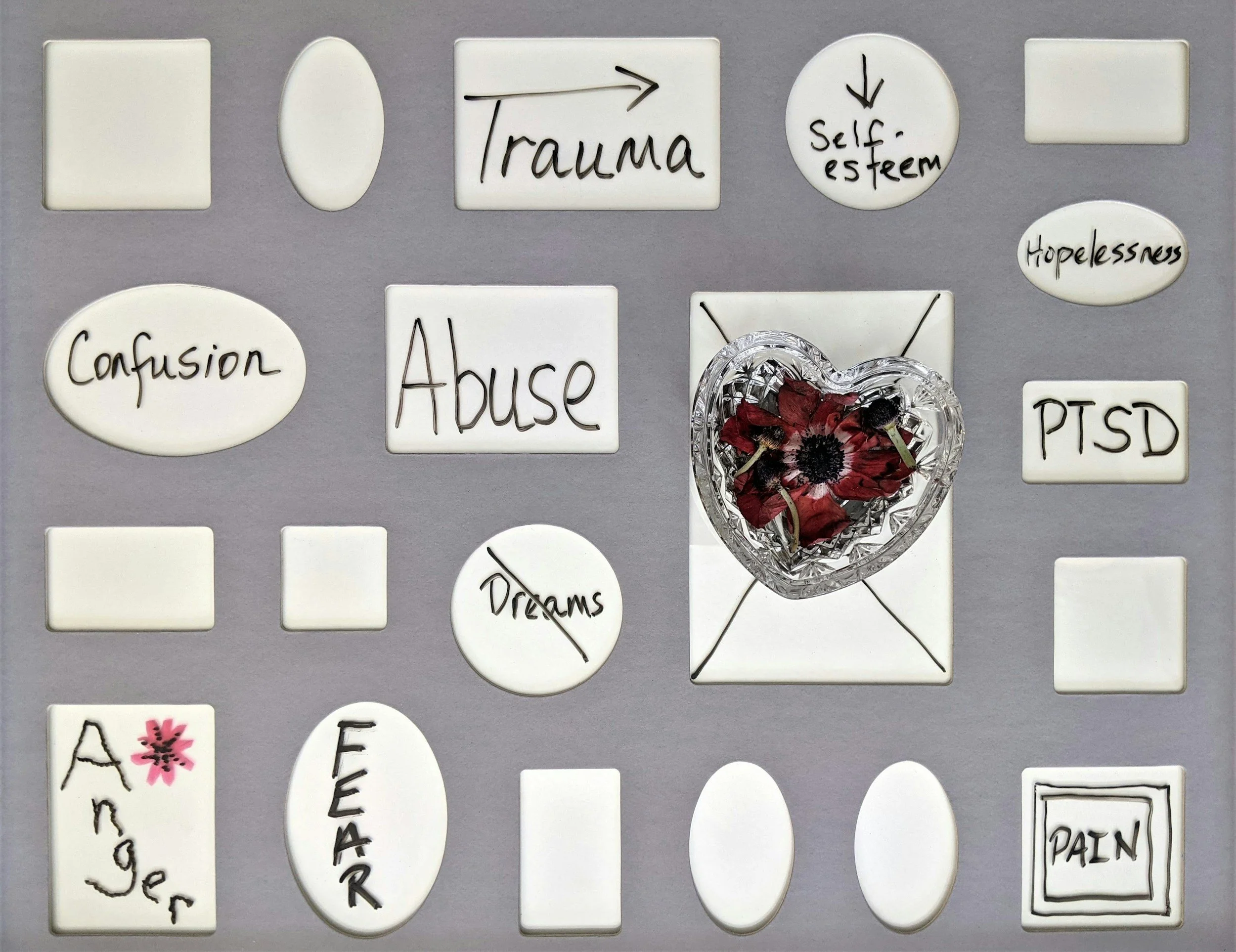

Why therapy?
Life has a way of throwing challenges our direction—sometimes in big, overwhelming waves, and sometimes in small, steady ripples that add up over time. Maybe you’ve wondered whether therapy could help, but you’re not sure if it’s “big enough” or “serious enough” to reach out. Here’s the truth: there’s no wrong reason to begin therapy.
Therapy isn’t just for “crises.”
A lot of people imagine therapy as something you seek only when life is falling apart. And yes, therapy is a powerful support when things feel impossible. But therapy is just as valuable when you’re feeling stuck, wanting healthier relationships, or simply needing a safe space to process what’s on your mind. Think of it as an investment in yourself—like going to the gym for your mental and emotional well-being.
Therapy offers a safe place.
We live in a world where we’re constantly “on”—managing responsibilities, caring for others, and trying to keep it all together. Therapy offers something rare: a place where you don’t have to perform, fix, or figure it all out on your own. It’s a space to slow down, be heard, and explore your story without judgment.
Therapy builds tools and insight.
Sometimes we know what we “should” do, but it feels impossible to follow through. Therapy can help bridge that gap. With approaches like EMDR, CBT, DBT, and attachment-based strategies, therapy can give you tools to manage anxiety, work through trauma, improve communication, and better understand yourself and your relationships. These aren’t quick fixes—they’re skills and insights that can create lasting change.
Therapy reminds you—you’re not alone.
Perhaps the most important reason: therapy helps carry the load. It’s a reminder that you don’t have to walk through hard seasons on your own. Whether you’re struggling with parenting, anxiety, trauma, or just the weight of daily life, therapy can offer light for the journey.
Final Thought
If you’ve been wondering, “Would therapy even help me?” the answer is: yes, it could. You don’t have to wait until things are at their worst to reach out. Therapy is about healing, yes—but it’s also about growth, resilience, and rediscovering hope.